How Menu Analytics Help Restaurants Sell More of the Right Dishes
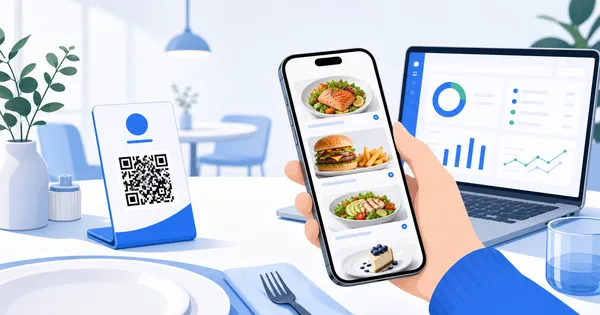
Menu analytics show what guests tap, skip, and revisit, helping restaurants refine layout, pricing, and upsells without guessing.
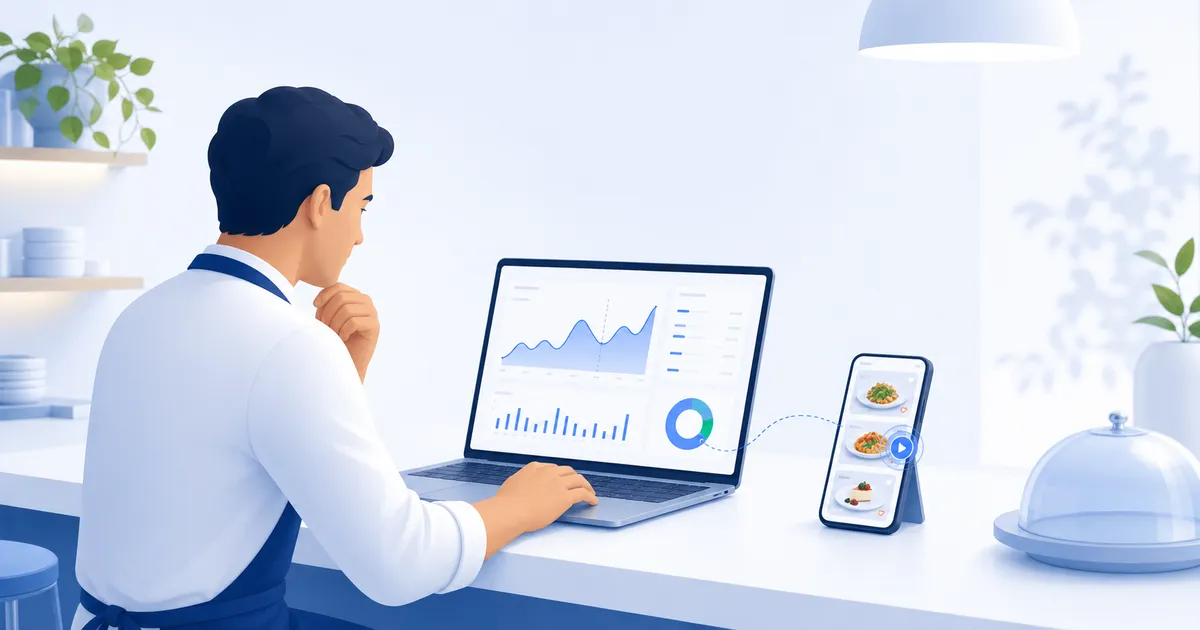
Most menu decisions are made with a mix of instinct, habit, and whatever the team heard from customers during a busy shift. That works up to a point, but it leaves a lot of money on the table. When a digital menu shows what people actually open, tap, linger on, and ignore, owners can stop treating menu design like a once-a-year print job and start improving it week by week.
A busy service hides useful signals
Think about a Friday night at a neighborhood burger bar. Table 4 asks whether the spicy chicken special is still available. A couple near the window spends two minutes deciding between loaded fries and onion rings. Someone orders a milkshake only after a server mentions it out loud. By the end of the night, the team remembers the rush, but not the details.
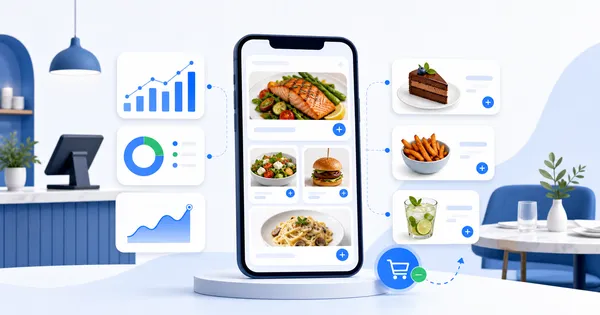
That is the gap analytics fills. A digital menu can show whether customers are opening the specials section at all, whether they keep returning to dessert, and whether a popular item is buried too low on the page. These are not abstract metrics. They point to specific menu decisions that affect revenue.
You can spot winners that your layout is hiding
Some dishes should sell better than they do. The problem is not always the recipe or the price. Often it is visibility.
Imagine a cafe with a strong pistachio cheesecake and a profitable iced matcha, but both sit below a long block of sandwiches in the menu flow. Customers never reach them, especially on a phone screen during a quick lunch break. Analytics can reveal that pattern fast. If the dessert section gets fewer views than expected or the drink category gets opened late in the journey, the issue may be placement rather than demand.
Useful menu analytics can help a team answer questions like:
- Which sections receive the most attention first
- Which items get repeated views before an order decision
- Where customers stop scrolling
- Which categories underperform despite strong in-store feedback
Once you know that, you can move high-margin items higher, shorten weak sections, or add a clearer photo where hesitation is highest.
Good menu decisions come from observed behavior, not hopeful assumptions.
Better data leads to better upsells
Upselling sounds simple until it happens in real service. Staff are busy, shifts change, and not everyone remembers to point out add-ons the same way. A digital menu gives you another place to guide the decision.
If analytics show that many customers view burgers and fries but ignore dips, that may mean the add-on is too easy to miss. If people open the cocktails section after looking at starters, you have a strong cue to feature a pairing there. If a brunch menu gets heavy traffic on smoothies but weak taps on pastries, the issue may be the order of presentation rather than the products themselves.
This matters because the best upsells are not aggressive. They feel obvious. The customer sees the extra side, dessert, or drink at the right moment and adds it without needing a sales pitch.
Analytics help small changes pay off
Owners often think analytics are only useful if they are planning a complete redesign. In practice, the value usually comes from small updates.
Maybe your takeaway menu has too many categories and mobile users keep dropping off before they reach family bundles. Maybe your bar menu has strong signature cocktails, but the zero-alcohol section is getting more attention than expected and deserves a bigger position. Maybe a bakery notices that people view celebration cakes on weekdays but order them only after Friday, which suggests a better moment for preorder messaging.
None of that requires a rebrand. It requires a clear signal and the ability to act on it.
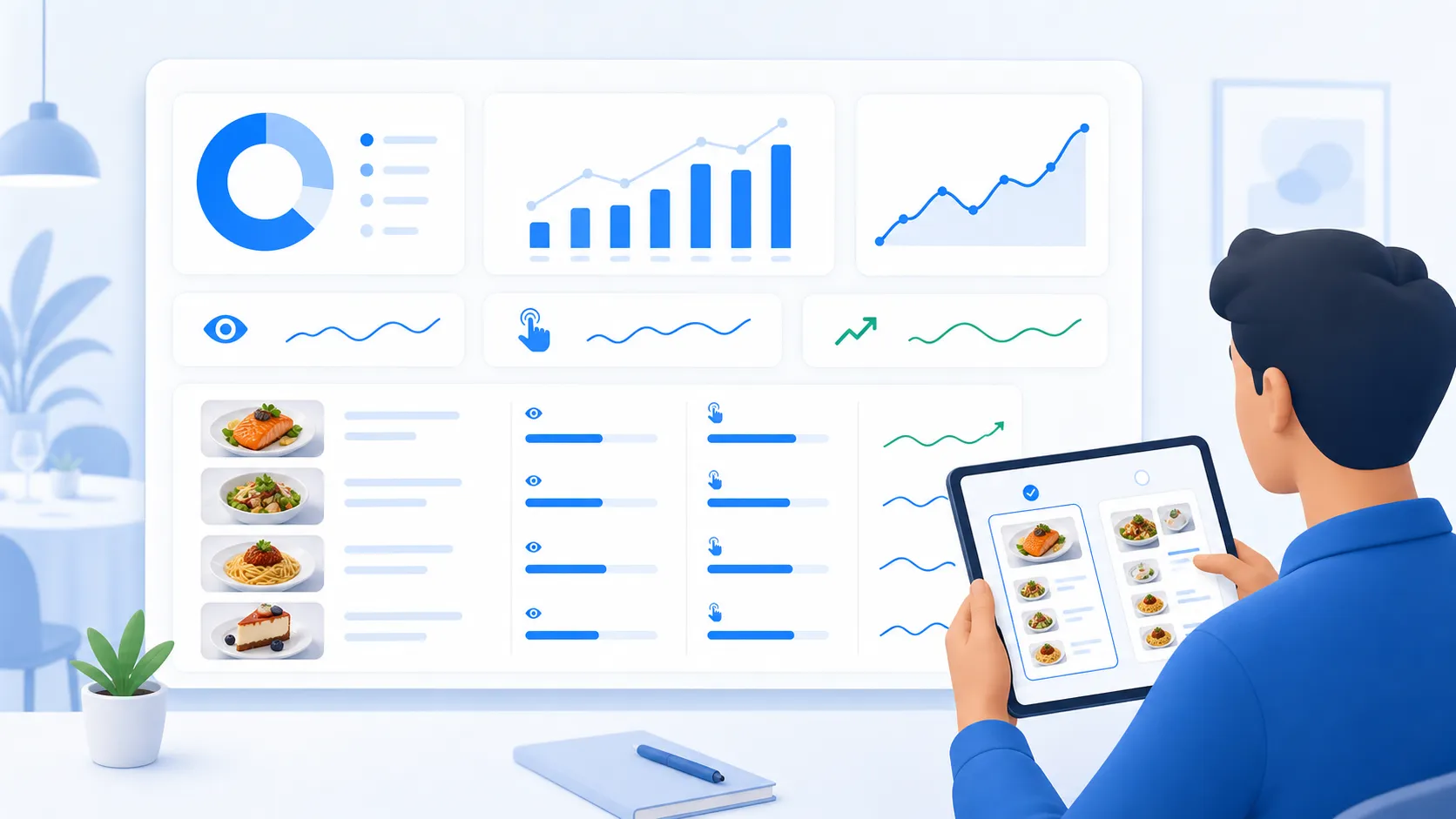
Analytics are most useful when paired with fast edits
Data without action becomes another dashboard nobody checks after the first week. The point is to connect insight to a live menu that can change quickly.
That could mean:
- Moving a profitable lunch combo higher before the next service
- Replacing a weak dish photo that gets views but few selections
- Renaming a category so customers understand it faster
- Testing whether a dessert performs better near coffee instead of at the end
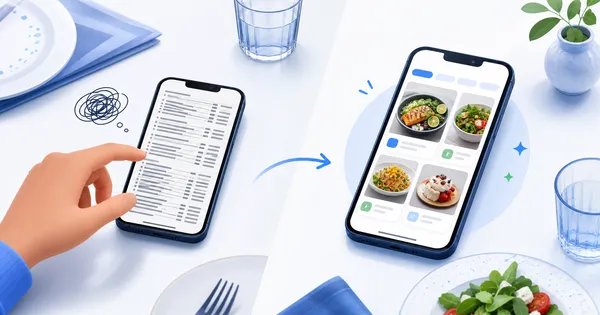
A printed menu cannot support that kind of learning cycle. Even a static PDF makes change slower than it needs to be. With a real digital menu, the gap between noticing and improving gets much smaller.
The goal is not more data, it is clearer decisions
Restaurant owners do not need endless charts. They need evidence strong enough to answer practical questions: Which items deserve prime placement? Which sections are too crowded? What gets attention but not action? What is profitable but still invisible?
When those answers come from real customer behavior, menu decisions become calmer and more precise. Instead of redesigning everything after a bad week, you can improve one section, measure the response, and keep going. That is a much better way to manage a menu than relying on memory from the last rush.
If your menu is already digital, the next step is making it measurable. Seeing where guests actually spend attention gives you a far better starting point than hunches alone.
See what guests notice - use menu data to refine what sells, what gets skipped, and what deserves a better spot.